

Sending Staff to Sweden: What Foreign Companies Must Know About Swedish Immigration and Posting Rules
As global business operations expand, many international companies are seeking to temporarily send employees to Sweden to carry out assignments, projects, or services. Whether you are sending engineers, technical specialists, consultants, or support staff, understanding Swedish immigration and labour regulations is essential for compliance and smooth execution. Below is a structured overview of the most important matters foreign companies should know before dispatching personnel to Sweden.
1. Understand the Legal Framework: Posting vs. Immigration
When a foreign company sends employees to Sweden, two regulatory frameworks may apply:
a) Posting of Workers Regulations
Posting occurs when an employee employed by a foreign company performs work in Sweden for a recipient of services there. This system is governed by Swedish law and EU directives and applies regardless of nationality. Arbetsmiljöverket
b) Work Permits and Labour Immigration Rules
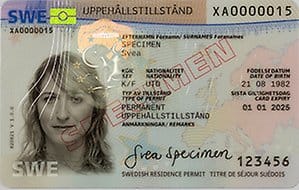
If the employee will engage in work that exceeds short-term service delivery or will reside and work long-term in Sweden, a work permit (residence permit for work) is often required. Migrationsverket
Why this matters:
Some missions could be covered under posting rules (short-term service delivery), while others require full labour immigration processing. Misclassification can lead to fines or permit rejections.
2. Reporting Obligations for Posted Workers
Foreign employers must report every posting to the Swedish Work Environment Authority (Arbetsmiljöverket) before or no later than the posting begins. This applies to all posted workers, whether from the EU, EEA, or outside these areas. Arbetsmiljöverket+1
This report must include information about:
The foreign company
The workers being posted
The Swedish recipient of services
A designated contact person in Sweden
Failing to report can result in administrative penalties and compliance investigations.
As the posting employer, you must also comply with Swedish labour standards, including working hours, anti-discrimination, salaries, leave entitlements, and occupational safety rules. Arbetsmiljöverket
3. Tax and Employment Reporting
When a third-country national (a person from outside the EU/EEA/Switzerland) will work in Sweden, the employer must notify the Swedish Tax Agency (Skatteverket) even if the posting is temporary. This obligation applies whether or not a residence/work permit is required. Skatteverket
This reporting is separate from the immigration process and ensures proper tax and social security handling. Failure to report employment notifications can result in administrative penalties.
4. Work Permits: Who Needs One?
Most non-EU foreign nationals intending to work in Sweden for longer assignments must obtain a work permit. The Swedish Migration Agency (Migrationsverket) administers these permits and requires employers to initiate the application by submitting a job offer and supporting details. Migrationsverket
The permit application must demonstrate:
That the job offer is genuine
A salary and employment terms consistent with Swedish standards
That the Swedish labour market has been considered according to applicable rules
5. Exemptions and Short-Term Work
There are specific situations where a work permit is not required, including:
Specialists within an international group on short-term assignments (less than one year under specific conditions) Migrationsverket
Employees attending internal training or business tasks for up to three months Migrationsverket
Certain short-term technical, artistic, or contractual work within defined limits Migrationsverket
These exemptions can benefit companies sending staff for limited engagements, but caution is required: misapplication of exemptions can lead to violations.
6. Easier Mobility Through ICT Permits
If your company has an existing branch or subsidiary in Sweden, you may use the Intra-Corporate Transferee (ICT) permit system for managers, specialists, or trainees being transferred within the corporate group. This permit allows work and residency in Sweden under EU provisions. Migration and Home Affairs
ICT permits require:
Prior employment with the company (typically three months)
Proof of role within managerial or specialist categories
ICT can be an attractive option for companies with ongoing operations in Sweden.
7. Salary and Immigration Reform Developments
Swedish immigration policy is undergoing changes aimed at tightening labour immigration and protecting workers. Proposed changes effective June 2026 include a higher wage threshold (90% of median Swedish wages) for work permit eligibility, enhanced health insurance requirements, and stricter employer compliance checks. KPMG+1
This reinforces the need to:
Offer competitive and compliant salaries
Maintain transparent employment contracts
Prepare robust documentation for permit applications
8. Practical Tips for Employers
Plan Early: Work permit and posting reporting can take several weeks. Applications must be complete and align with Swedish labour standards.
Use Local Experts: Swedish immigration law is detailed and evolving. Legal or consultancy support can prevent costly mistakes.
Monitor Regulatory Changes: With reforms underway, staying updated on wage requirements or procedural changes is critical.
Train HR/Managers: Ensure staff involved in immigration or posting compliance understand reporting deadlines, documentation standards, and labour law obligations.
Final Thoughts
Successfully dispatching employees to Sweden hinges on careful navigation of both posting regulations and immigration requirements. For foreign companies, the key to compliance and efficient workforce mobility lies in early planning, accurate reporting, and adherence to Swedish labour standards. With upcoming regulatory changes, proactive compliance will also protect your company’s reputation and operational continuity.
If you need tailored guidance on Swedish work permits, posting notifications, or tax reporting, a consultation with a specialist in Swedish immigration law and labour compliance is highly recommended.